Women's Voice and Leadership Nigeria (2019–2024), carried forward under Renewed WVL Nigeria (2025–2030) — led by ActionAid Nigeria, funded by Global Affairs Canada.
The work advancing women's rights in Nigeria, all in one place.
Explore the organisations, stories, knowledge, campaigns and resources shaping the women's rights movement across Nigeria.
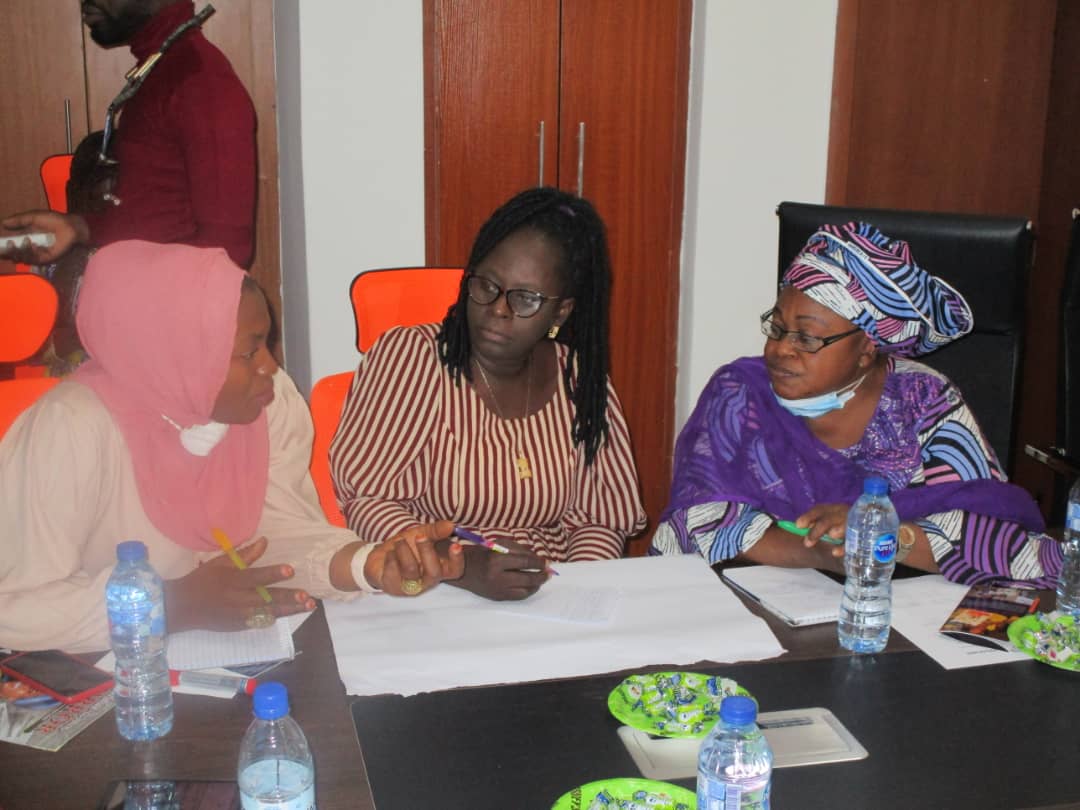
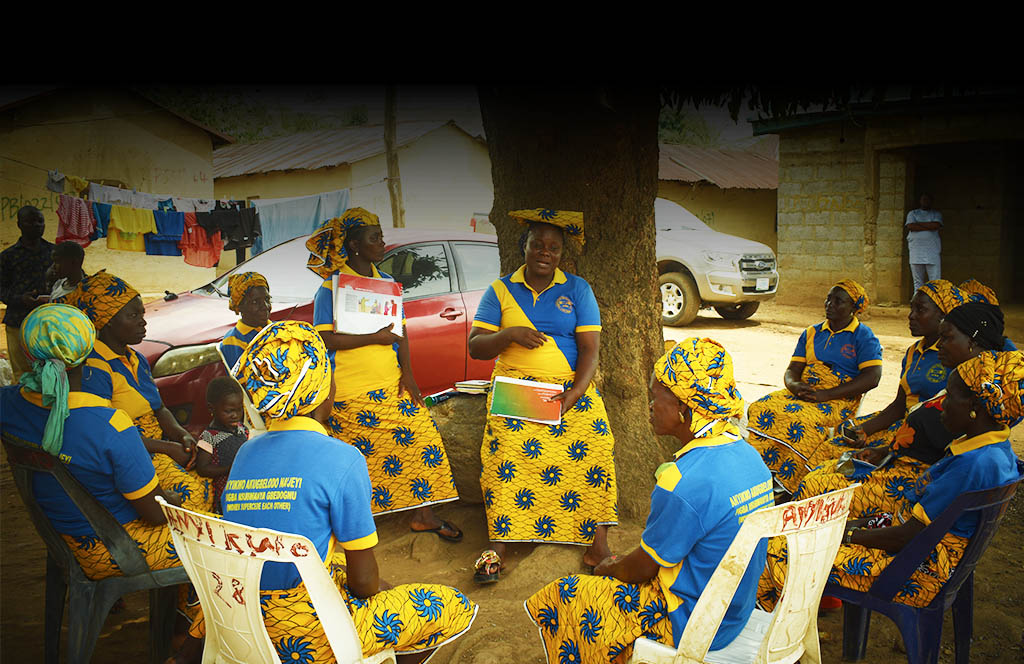
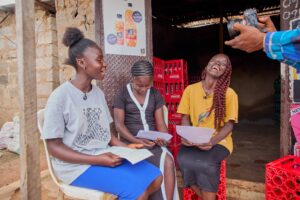
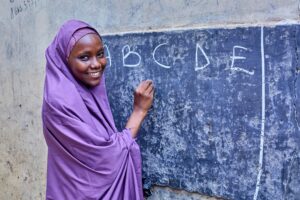
From the field — RWVL Nigeria programme activities.
153Women-led organisations supported
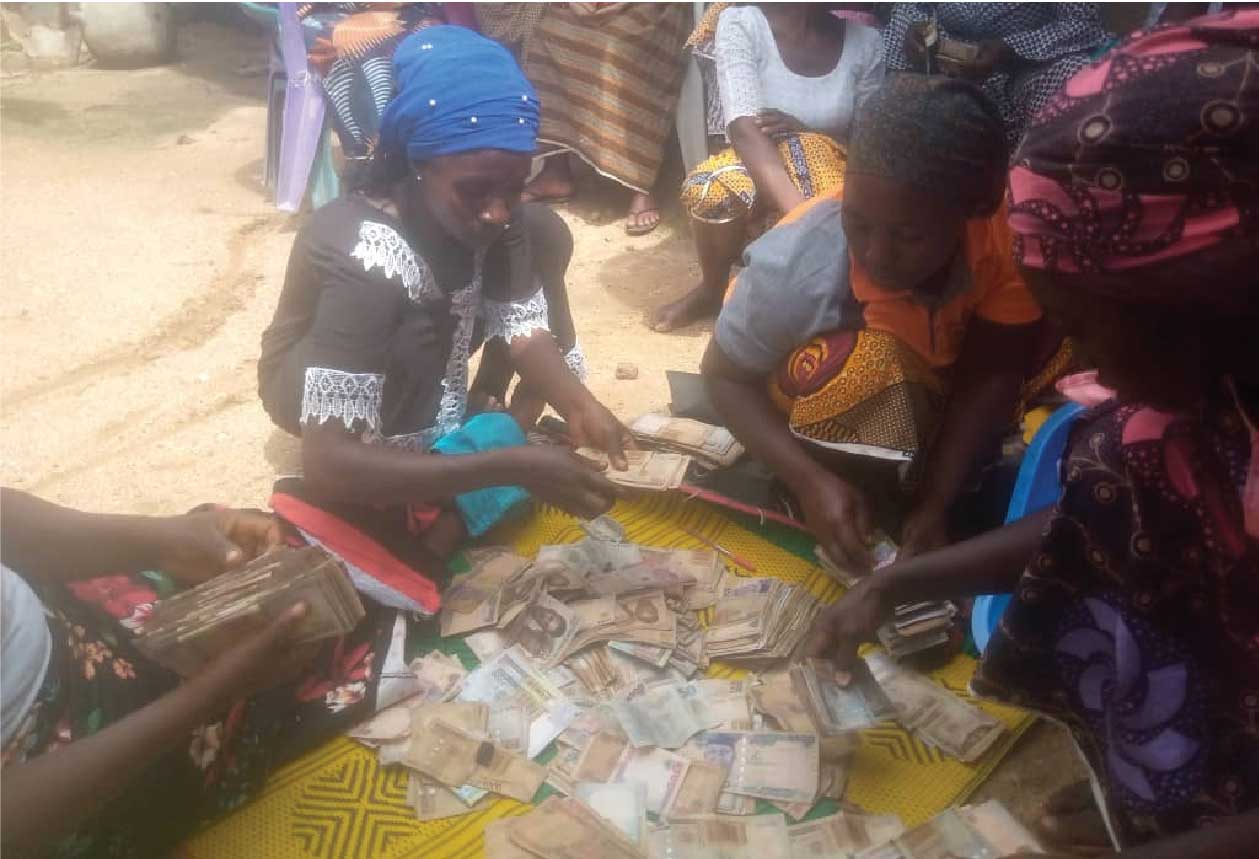
₦198.3MSaved by women through VSLA groups
7.15MPeople reached across Nigeria
4,781SGBV survivors directly supported
#AllNigerianWomenMatter
This is more than a hashtag, it is a collective call for equality, dignity and justice. Join the movement, share your voice, amplify women’s rights and stand with us as we shape a future where every Nigerian woman and girl counts.
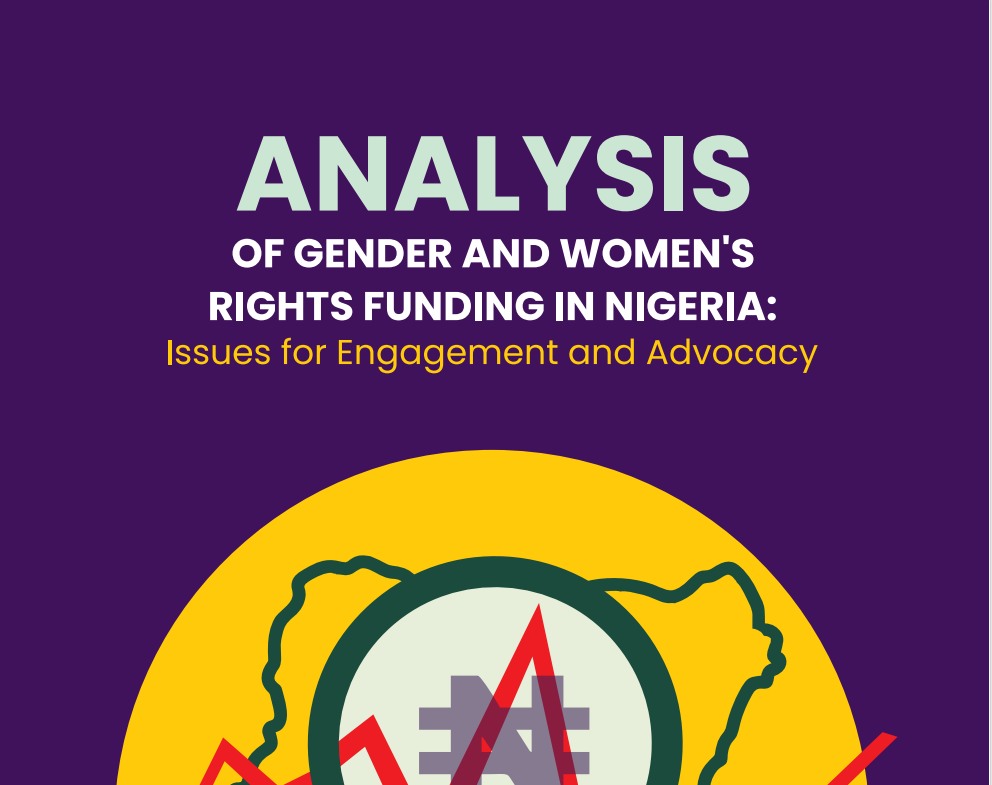
ActionAid-Nigeria in partnership with Global Hope for Women and Children Foundation facilitated the conduct of a research assessment on the analysis of gender and women’ rights fundings in Nigeria to
Women and Girls with Disabilities represent one of the most marginalized and vulnerable groups in Nigeria. In spite of the increased awareness about the rights of women, laws protecting women
Adolescent Mothers in Nigeria are faced with heightened barriers to quality education. According to the National Demographic Health Survey (2018), 1 in 5 girls between ages 15-19 years have begun
A compendium of success stories implemented by ActionAid Nigeria through the WVL N project. This document brings together examples of best practices emerging from the project, which led to changes
It is no longer news that women are not expected or encouraged to have financial independence amidst mobility constraints that make it difficult to engage with financial institutions. In